Advancing dignity, equality and human rights for Dalit and excluded communities in Bangladesh through grassroots empowerment, advocacy and inclusive development.
The Reality of Dalit Communties
6.5 Millions of Dalit people in Bangladesh continue to face systemic discrimination affecting education, livelihoods, housing and access to services
Measuring the difference our work has made in the lives of Dalit and marginalized communities.
30+
Years of Community Work
1,50,500+
Dalit Families Reached
34069+
Dalit Leaders Developed
1099+
BDP Nationalwide Grassroot Network
Our Strategic Approach
Our strategy focuses on empowerment, advocacy, and inclusive development to create lasting social change.
Community-Led Total Action
We empower Dalit communities by forming inclusive groups and networks that drive awareness on rights, equality, and social justice. Through locally led initiatives, communities design and implement sustainable solutions, fostering ownership, measurable impact, and long-term social change at the grassroots level.
Advocacy And Social Movement
We work to eliminate caste-based discrimination through targeted advocacy and national campaigns that promote Dalit rights and social justice. By partnering with civil society, media, and policymakers, we amplify marginalized voices. Systematic human rights monitoring and documentation guide evidence-based interventions and policy reforms.
Inclusive Development
We ensure equitable access to public services, promoting WASH, community wellbeing, and social protection for marginalized groups. By advancing skills development, livelihoods, and financial inclusion—especially for women and youth—we strengthen resilience, foster economic empowerment, and create sustainable, measurable impact in vulnerable communities.
Key Program Area
Our core initiatives designed to empower Dalit communities and promote equality and inclusion.
Economic Resilience and Sustainable Livelihoods
Support households with diversified, climate-resilient income opportunities.
Provide vocational training, skills development, and entrepreneurship guidance.
Facilitate access to financial services, markets, and productive resources.
Promote sustainable livelihood practices to reduce vulnerability to shocks.
Encourage community-based savings, cooperatives, and micro-enterprise initiatives. discrimination.
Inclusive Access to Essential Services and Resource
Facilitate health services, including maternal and child care, for marginalized communities.
Promote school enrollment and reduce dropout rates among vulnerable children.
Expand social safety-net programs to ensure support reaches the poorest households.
Provide access to land, water bodies, and agricultural inputs for sustainable livelihoods.
Offer legal aid and awareness programs to help communities claim their rights.
Social Empowerment and Inclusion
Build leadership and agency among women, girls, and marginalized groups.
Enable active participation in community decision-making and governance.
Conduct awareness campaigns on rights, social justice, and gender equality.
Create platforms and networks to amplify marginalized voices.
Support community-led actions to address social exclusion and discrimination.
National Campaigns for Policy Advocacy
Advocate for inclusive, pro-poor laws and policy reforms.
Monitor policy implementation to ensure marginalized communities benefit.
Educate communities on their rights, entitlements, and legal protections.
Engage with government and civil society to reduce caste-based discrimination.
Collaborate with UN human rights mechanisms, submit reports to the UPR, and partner globally to advance Dalit rights advocacy.
Community Stories
Voices from the ground showing how empowerment is changing lives.
I più affidabili Superiori Siti da gioco Digitali in Italia: Manuale Completa per Giocatori Navigati
Winmega Kasino – Deres Ultimative Spiloplevelse Digitalt
Rotate Warrior Gaming House: The place where Old Samurai Soul Combines with Current Playing Quality
Parittran works in some of the most marginalized and climate vulnerable regions of Bangladesh.
National Campaigns
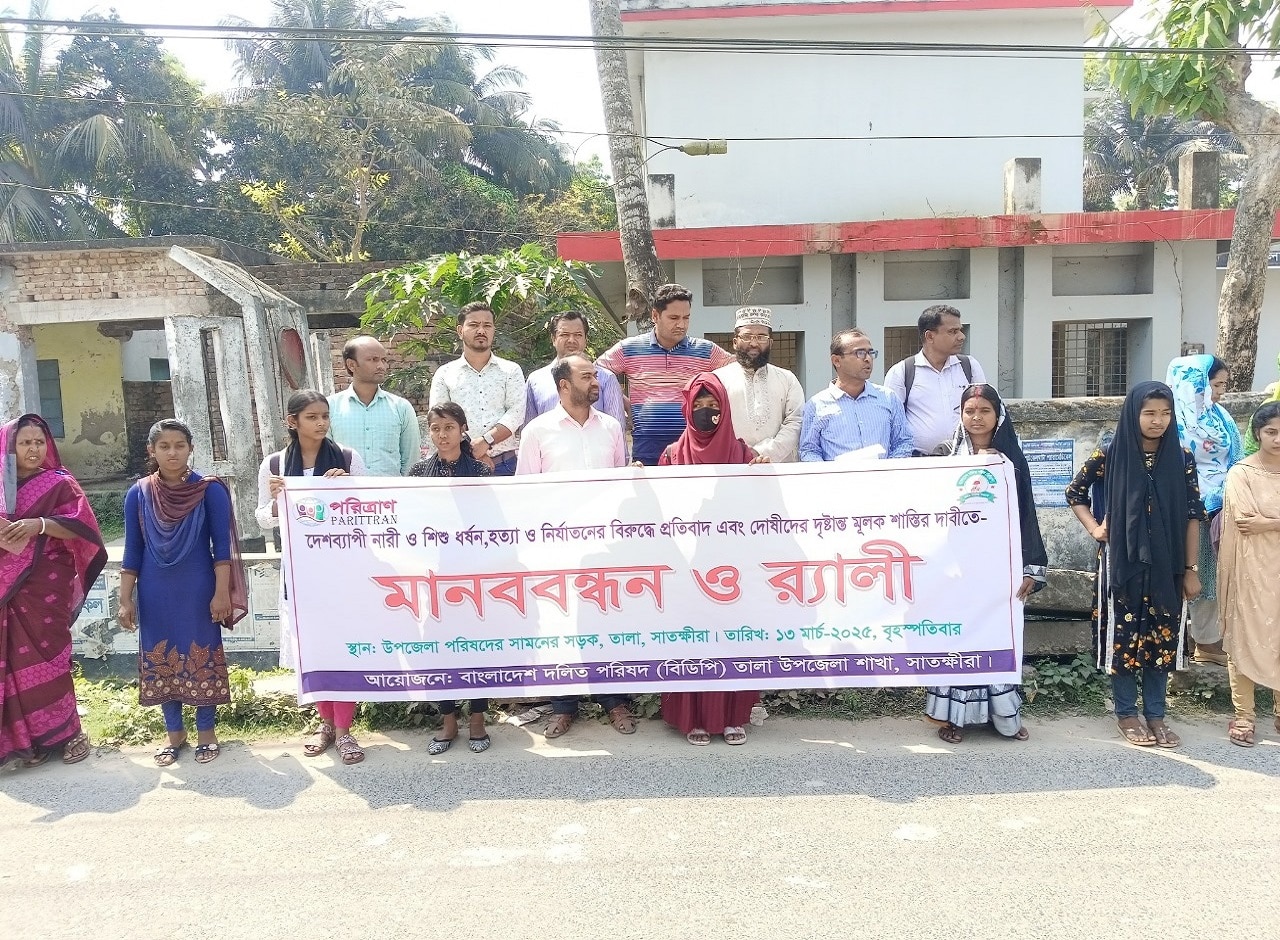
Through the Bangladesh Dalit Parishad (BDP), Parittran is implementing campaigns and programs across 54 districts, 216 upazilas (sub-districts), and 820 unions, the lowest level of government administration in Bangladesh, reaching communities nationwide to promote inclusion, rights awareness, and social justice.
Grassroot Program
Parittran is implementing programs across 4 districts (Satkhira, Khulna, Jessore, and Bagerhat), 21 upazilas (sub-districts), and 67 unions, the lowest level of government administration in Bangladesh.
Aligned With Global Goals
Contributing to the Sustainable Development Goals through inclusive and community-driven action.