
Title of the project
Protection of Working Children (PWC)
Funding Agency:
IDEA oneluse
Allocated budget
BDT: 1061523.00
Duration:
1 years (Oct 2023 – Sep 2024)
Locations:
Satkhira, Khulna and Jeshore Distract in Bangladesh
Executive summary
Child labor is common in Bangladesh, with 4.8 million or 12.6% of children aged 5 to 17 in the workforce. Bangladesh government aims to eliminate hazardous child labor from the country by 2021. In 2020, the Government of Bangladesh is working to reduce child labor through the 2021-2025 National Action Plan for the Elimination of Child Labour.
Child laborers in Khulna, Satkhira and Jessore districts of the country face poor living conditions. Most of the child laborers here are from Dalit, marginalized and climate vulnerable communities. They live in climate vulnerable areas with inadequate housing, limited access to clean water and inadequate sanitation facilities. Moreover, climate change is the death blow. These children are part of families that face economic hardship, forcing them to contribute to the family income from an early age.
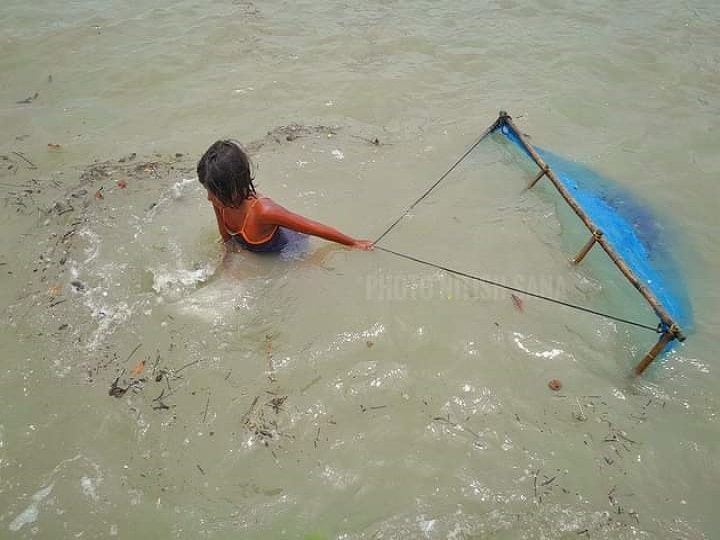
Working children are engaged in various types of labor including street vendors, domestic work, fishing, brick kiln workers or agricultural work. Their working hours are long and arduous, which affects their physical and mental well-being. Education often lags behind because of job demands, perpetuating the cycle of poverty and limiting their future prospects.
These may include initiatives to improve access to education, raise awareness of children’s rights and help families break the cycle of poverty. Additionally, efforts to improve living conditions, health care and social services are crucial for the overall well-being of working children.
Overall impact:
Ensuring the right of the 250 working children to enjoy better quality of life.
Expected Outcomes:
- To encourage 200 children to move away from hazardous work by creating alternative livelihood opportunities for 200 families.
- To increase access to education for 250 working children through awareness raising.
- Enhancing the role of 30 employers and 20 government agents in eliminating child labour.
Final beneficiaries
Dalit & Indigenous, Climate Vulnerable Communities, Marginalized Women & Girls, Person With Disabilities, Children, Youth and Adolescent
Final Stakeholders
Policy Makers, Family, employers and community; educational institutes and local children club/ organizations/ forum etc.
Main activities
- Livelihood Training Programs: Provide training to adults in the community to develop new skills and engage in alternative, non-hazardous forms of work.
- Agricultural Initiatives: Promote sustainable and profitable agricultural practices, helping families generate income through farming or related activities.
- Schooling Opportunities: Ensure access to quality education for children, providing them with an alternative to hazardous work.
- Scholarship programs: Implement scholarship programs to support economically disadvantaged children. This could cover tuition fees, textbooks, uniforms, and other related expenses
- Vocational Training: Offer vocational training programs to equip individuals with practical skills that can lead to sustainable employment
- Partnerships with Non-Governmental Organizations (NGOs): Collaborate with NGOs specializing in child welfare, education, and livelihood development.
- Community Mobilization: Engage with the community to ensure their active participation and ownership of the programs
- Social Support Systems: Develop social support systems to help families navigate challenges during the transition
- Access to Markets: Assist families in connecting to markets for their products or services.
- Legislation and Policy Advocacy:
- Advocate for and support the development and enforcement of policies that protect children from hazardous work.
- Strengthen existing laws and regulations related to child labor, and introduce new legislation if necessary.
Approval:
Memorandum of Understanding (PDF- View)